Understanding Wood Frame Construction
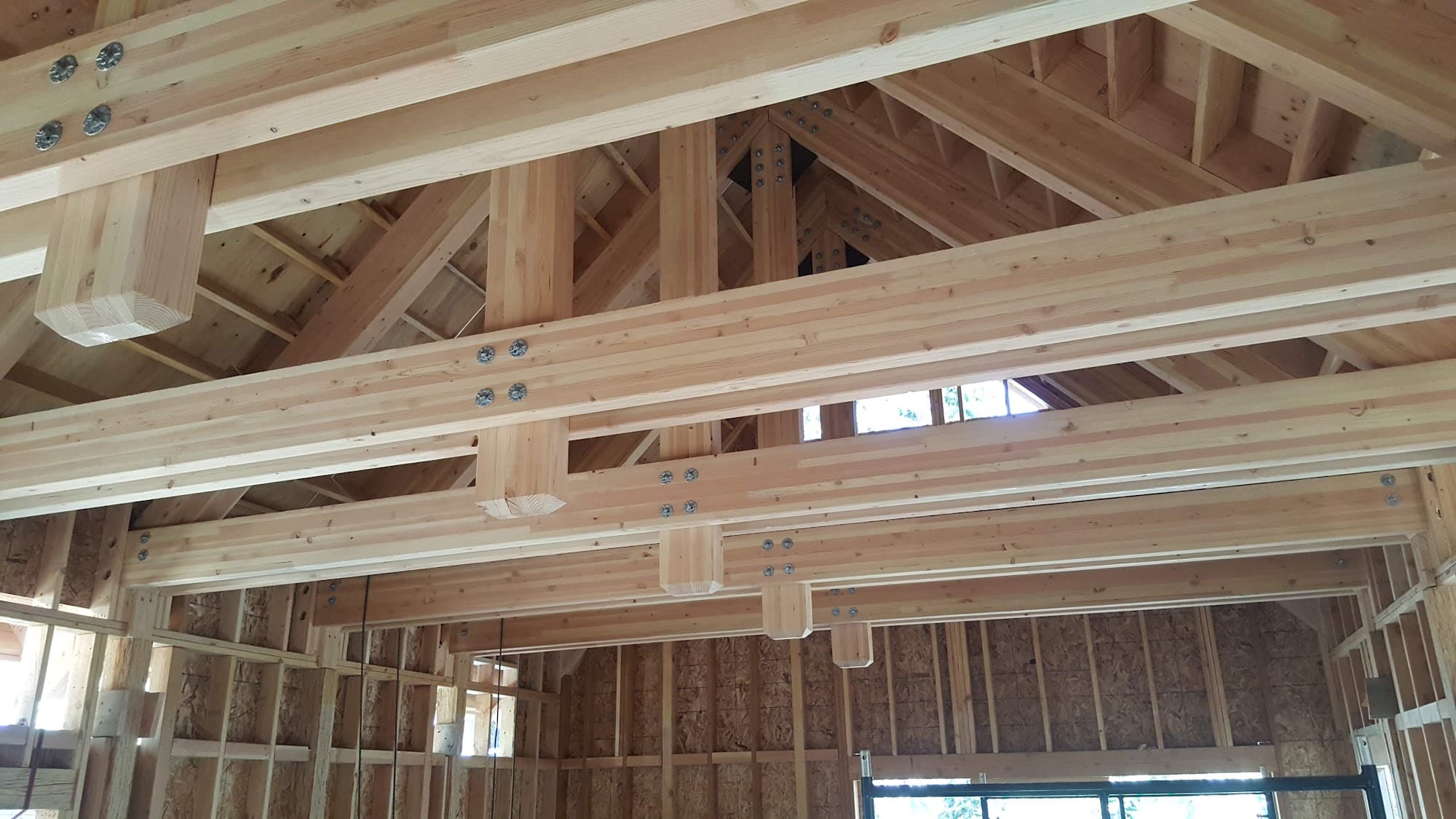
Wood frame construction is the most common building method for residential structures in North America. Understanding its principles helps homeowners, builders, and developers make informed decisions.
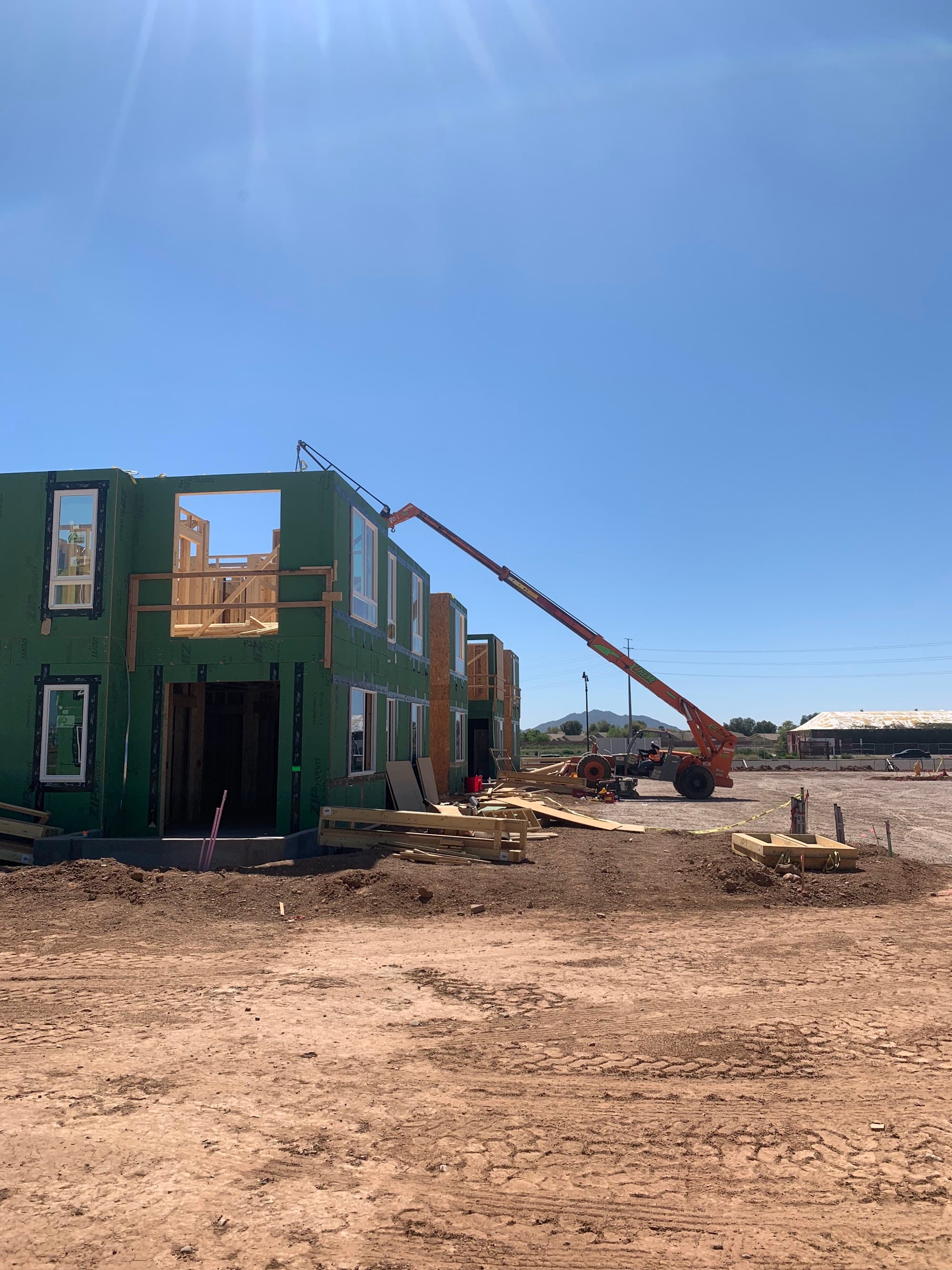
Platform Framing
Platform framing is today's standard method. Each floor is built as a platform on which walls are erected. This approach is economical, allows use of standard lumber lengths, and provides natural fire stopping between floors.
Key Structural Components
Foundation and Sill Plate
The sill plate anchors the wood frame to the foundation, providing a critical connection that transfers loads and resists lateral forces.
Wall Framing
Walls consist of vertical studs (typically 2x4 or 2x6) spaced 16 or 24 inches on center, with horizontal plates at top and bottom. Headers span openings for doors and windows.
Floor and Roof Systems
Floors use joists or engineered trusses spanning between bearing walls. Roofs may use conventional rafters or pre-manufactured trusses, depending on the design.
Advantages of Wood Framing
Wood framing offers excellent strength-to-weight ratio, easy modification, good insulation properties, and cost-effectiveness. It's also a renewable resource with lower embodied energy than many alternatives.
Related Articles
Free Download
Residential Remodel Prep Kit
Planning a wood frame project? Get our free guide covering structural requirements, material selection, and engineering best practices.
Download the Free GuidePlanning a Wood Frame Project?
From custom homes to multi-family wood frame buildings — our engineers deliver PE-stamped plans optimized for your budget and timeline.
Discuss Your Wood Frame ProjectOr call us directly: (775) 323-6633