How to Determine if a Wall is Load Bearing
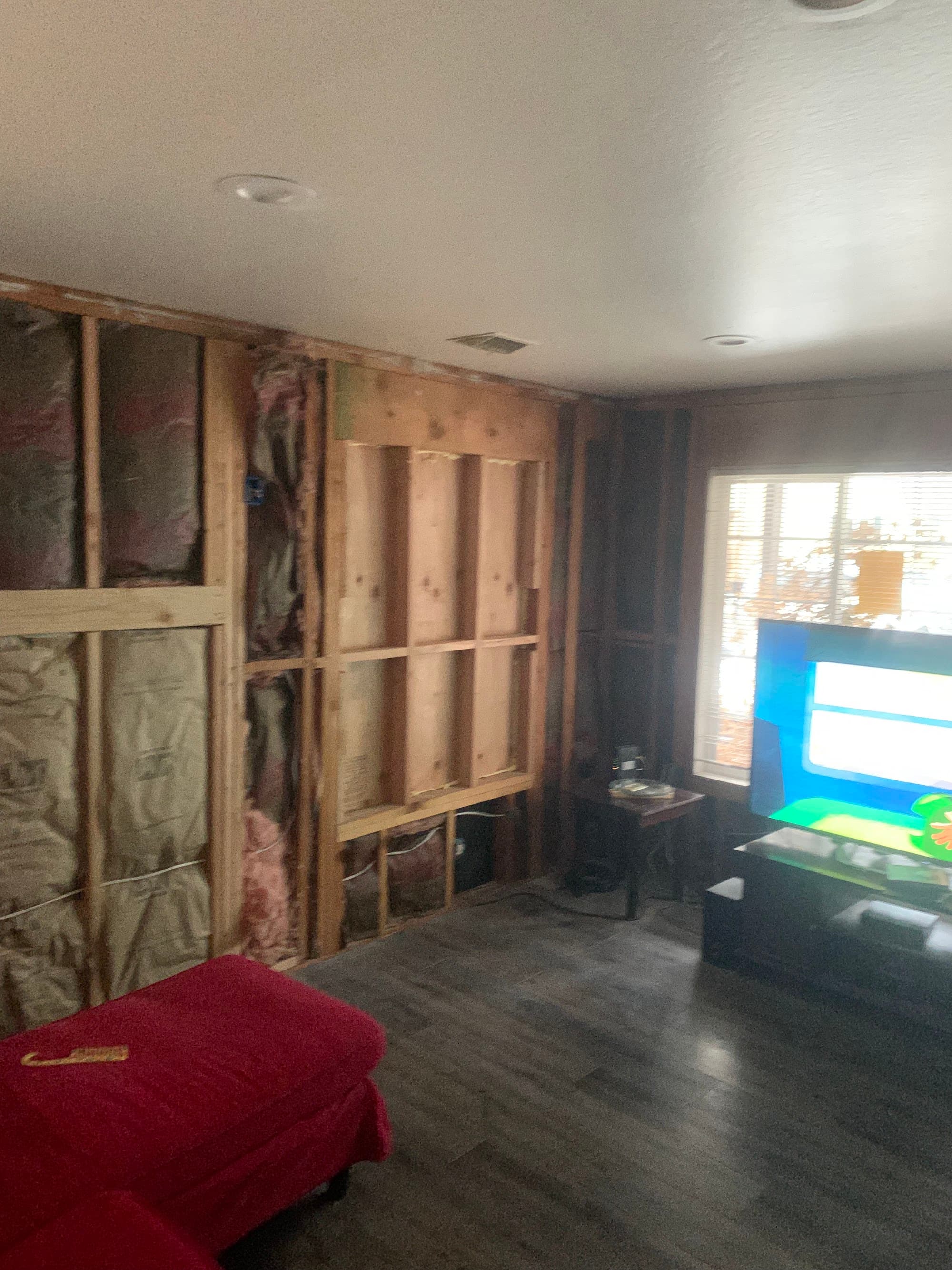
Before removing or modifying any wall during a renovation, it's critical to determine whether it's load-bearing. Removing a structural wall without proper support can lead to serious building damage or collapse.
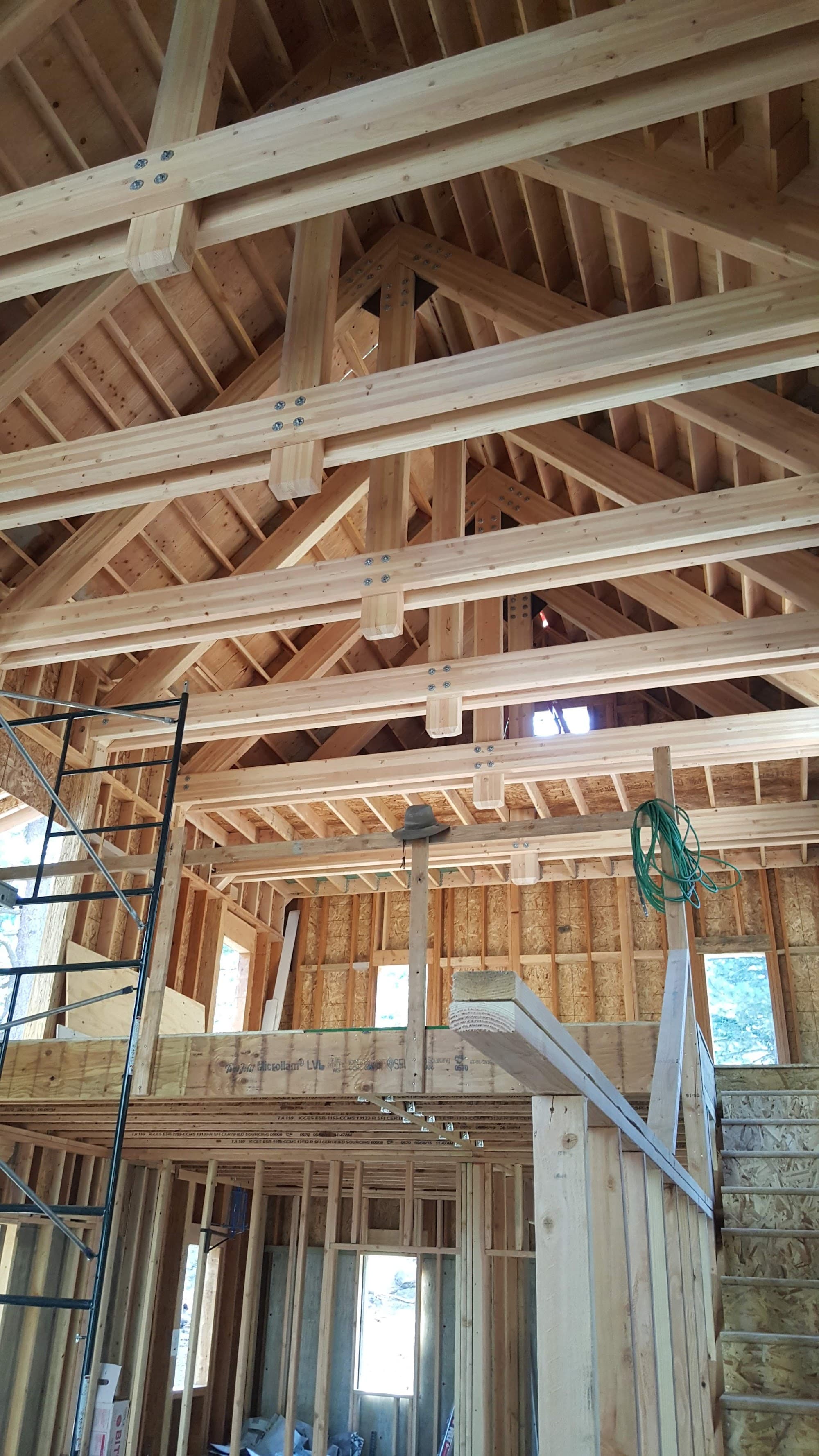
Indicators of Load-Bearing Walls
1. Wall Direction
Walls running perpendicular to floor joists are often load-bearing because they support the joists. Walls parallel to joists are more likely to be non-structural, though exceptions exist.
2. Location in the House
Exterior walls are almost always load-bearing. Interior walls near the center of the house often support the ridge or upper floors. Walls that stack directly above each other on multiple floors are typically structural.
3. What's Above
Look at what's directly above the wall. If there's another wall, a beam, or significant load above, the wall is likely load-bearing. Access to the attic can reveal how loads are transferred.
4. Construction Details
Load-bearing walls often have beams or headers above openings, multiple studs at corners, and sit on continuous footings below.
When in Doubt, Consult an Engineer
These are general guidelines, but every building is unique. A structural engineer can definitively determine whether a wall is load-bearing and design appropriate solutions if removal is desired.
The cost of a structural assessment is minimal compared to the potential cost of incorrectly removing a load-bearing wall. Always err on the side of caution.
Related Articles
Free Download
Residential Remodel Prep Kit
Planning a renovation? Get our free checklist covering structural assessments, permits, and what to ask your engineer before removing walls.
Download the Free GuidePlanning to Remove or Modify a Wall?
Before you demo, get a structural engineer's assessment. Our residential structural engineering team confirms which walls are load-bearing and designs the proper headers — responsive engineering.
Get a Wall AssessmentOr call us directly: (775) 323-6633